What Is COE in Singapore?
The Certificate of Entitlement (COE) is part of Singapore’s Vehicle Quota System, introduced to regulate vehicle population growth and manage road usage demand.

In simple terms:
You cannot register and drive a vehicle in Singapore without a valid COE.
COE is obtained through a bidding system conducted twice a month. When you successfully secure a COE, it allows you to register a vehicle for 10 years.
There are different COE categories, including:
-
Category A – Non-fully electric cars with engines up to 1,600cc and Maximum Power Output up to 97kW (130bhp); and fully electric cars with Maximum Power Output up to 110kW (147bhp)
-
Category B – Non-fully electric cars with engines above 1,600cc or Maximum Power Output above 97kW (130bhp); and fully electric cars with Maximum Power Output above 110kW (147bhp)
-
Category C – GOODS VEHICLE & BUS
-
Category E – OPEN-ALL EXCEPT MOTORCYCLE
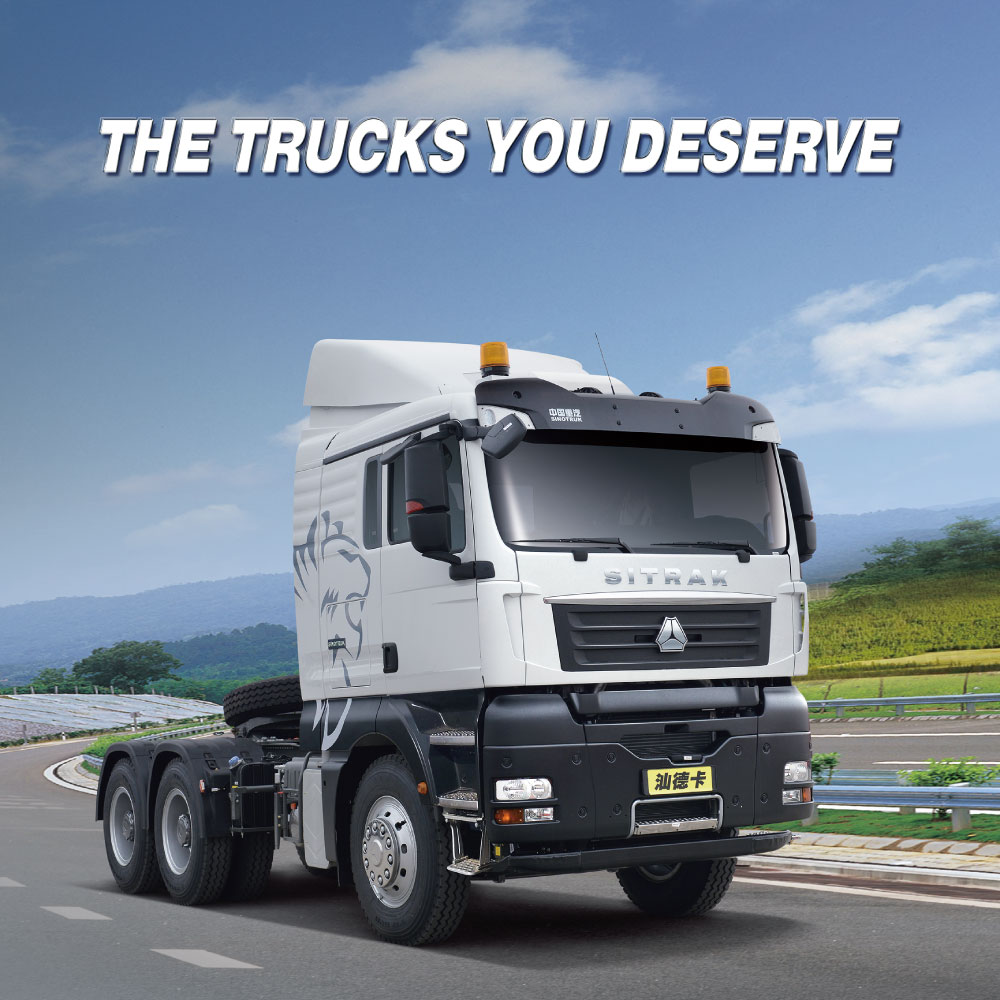
For businesses operating trucks, lorries or buses, Category C COE applies.
This is why search terms like “Category C COE price”, “COE for commercial vehicles Singapore”, and “COE bidding results” are frequently searched by business owners and fleet operators.
How COE Affects Commercial Vehicles and Business Operations
For individuals, COE affects lifestyle and affordability.
For businesses, COE affects revenue and margins.
If you operate delivery trucks, construction lorries, or buses, COE becomes part of your capital expenditure (CAPEX). A higher Category C COE means:
-
Higher upfront investment per vehicle
-
Increased financing cost
-
Greater cash flow pressure
-
Slower fleet expansion
Many fleet owners ask:
-
“Should I replace my truck when COE is high?”
-
“Does high COE affect business profit?”
-
“Is it better to renew COE or buy a new commercial vehicle?”
These are valid questions because every vehicle is an income-generating asset. When COE rises significantly, it changes the return on investment for that asset.
At the same time, delaying replacement due to high COE may result in:
-
Higher fuel consumption
-
More maintenance cost
-
Increased downtime
Over a 10-year cycle, the total cost of ownership may be more important than short-term COE timing.
What Happens When COE Prices Are High?
During periods of high COE prices in Singapore, vehicle affordability declines sharply. Because COE forms a significant portion of a vehicle’s total cost, rising COE directly increases acquisition costs for both private cars and commercial vehicles.
High COE periods often trigger searches such as “should I buy a car when COE is high” and “is it better to renew COE or replace vehicle”.
Renewing COE vs Buying a Vehicle with COE Included
When a vehicle’s 10-year COE expires, owners typically face two options:
-
Renew the COE (by paying Prevailing Quota Premium)
-
Replace the vehicle
For businesses, this becomes a strategic decision.
Renewing COE may appear cheaper upfront, but factors such as vehicle age, reliability, fuel efficiency, and maintenance costs must be considered.
Another option many buyers explore is purchasing a vehicle that already comes with COE included in the selling price.
In the resale market, some vehicles are sold with:
-
Valid remaining COE
-
Freshly renewed 10-year COE
-
Full transparency on COE validity period
For buyers searching “used commercial vehicle with COE”, “truck with COE Singapore”, or “buy vehicle with COE included”, this can simplify cost planning and reduce uncertainty around bidding.
Understanding COE as Part of Your Long-Term Cost Strategy
COE will continue to fluctuate depending on quota supply and market demand. While no one can accurately predict short-term COE movements, vehicle buyers and businesses can make smarter decisions by focusing on long-term cost strategy rather than short-term bidding cycles.
If you are currently evaluating commercial vehicle options — especially during periods of high COE — it is important to review not only the headline price, but also the remaining COE duration and overall lifecycle cost.
You may explore commercial vehicle listings in Singapore, including units with valid or newly renewed COE, to compare options that align with your operational and financial planning needs.
Frequently Asked Questions About COE in Singapore
What is COE in Singapore?
COE (Certificate of Entitlement) is a quota system required to register and drive a vehicle in Singapore. It is obtained through a bidding process and is valid for 10 years.
Why are COE prices so high?
COE prices increase when demand for vehicles exceeds the available quota supply. Economic growth, limited quota release, and increased vehicle demand can all contribute to high COE prices in Singapore.
How does Category C COE affect commercial vehicles?
Category C COE applies to goods vehicles and buses. When Category C COE prices rise, the acquisition cost of commercial vehicles increases, affecting business capital expenditure and fleet expansion plans.
Is it better to renew COE or buy a new vehicle?
The decision depends on vehicle age, maintenance condition, fuel efficiency, and long-term cost considerations. In some cases, renewing COE may be cost-effective; in others, purchasing a vehicle with valid COE may offer better long-term value.
Can I buy a commercial vehicle with COE included?
Yes. Some commercial vehicles in the resale market are sold with valid or newly renewed COE. This can reduce uncertainty during periods of high COE prices and simplify cost planning.