Electric vehicles (EVs) can cut maintenance costs by up to 50% compared to diesel trucks, thanks to fewer moving parts and simpler servicing. However, these savings only come with proper EV-specific maintenance to keep the fleet running smoothly and avoid costly issues.
Proper maintenance helps maximise the long-term benefits of electric vehicles businesses are increasingly adopting. As commercial fleets transition from diesel to electric power, understanding maintenance requirements becomes essential for operational success and cost control.
ABS Group stands as a leading automotive solutions provider in Singapore, offering expert maintenance services for electric vehicles and fleets. With our comprehensive understanding of electric commercial vehicle requirements, we help businesses realise the full potential of their electric vehicle investments.
This guide will explore the key differences between electric and traditional vehicle maintenance, common fleet problems to watch for, essential maintenance checklists, and the significant cost benefits of proper EV care.
How Electric and Traditional Vehicle Maintenance Differ
Fewer Moving Parts, New Components
Electric vehicles represent a fundamental shift in automotive engineering. Electric drivetrains have far fewer moving parts than internal combustion engines, meaning that electric car service costs are much lower when compared to ICE vehicles.
Electric vehicles eliminate most of these components entirely. Instead of a complex engine, EVs use electric motors with just a few moving parts, which leads to reduced maintenance requirements and lower long-term costs.
Longer Service Intervals
Electric commercial vehicles typically require service visits far less frequently than their diesel counterparts. Most EVs need servicing annually or every 10,000 miles, compared to traditional vehicles requiring service every 3,000-7,500 miles.
These extended intervals reduce fleet downtime and scheduling complexity, allowing fleet managers to plan more efficient maintenance schedules and improve vehicle availability during peak business periods.
The Most Common EV Fleet Problems
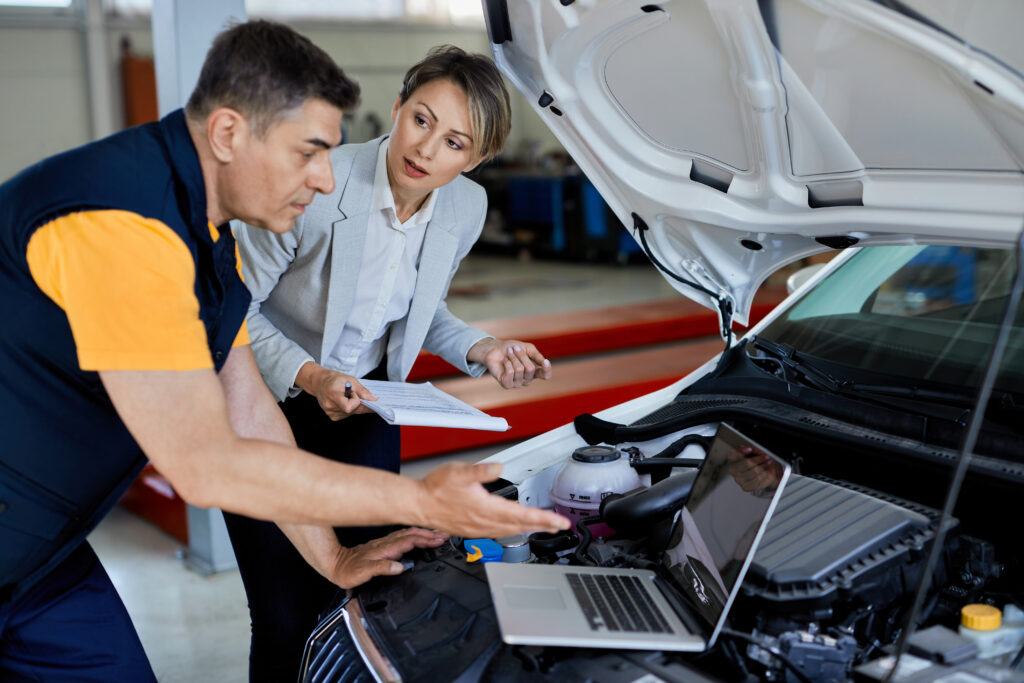
Battery degradation happens naturally through regular use, but the process can be accelerated by frequent fast charging, heavy loads, or long-distance driving. Fleet managers might notice reduced driving ranges or irregular charging behaviors as warning signs.
The key to managing battery health lies in monitoring and proper charging practices.
ABS Solution: We provide comprehensive battery health reports and offer 8-year warranties on select electric vehicle models. Our technicians use specialised diagnostic equipment to track battery performance and predict maintenance needs before problems affect your operations.
Charging Infrastructure Challenges
Commercial fleets face unique charging challenges that individual vehicle owners rarely encounter. Multiple vehicles competing for limited charging points can create scheduling bottlenecks.
Equipment failures, slow charging speeds, and inadequate power supply can disrupt entire fleet operations.
Scheduling charging during off-peak hours reduces costs and ensures vehicles are ready when needed. Businesses should consider installing private charging infrastructure at their premises, ensuring guaranteed access and cost control.
Software and Electronic Failures
EVs rely heavily on software systems in every aspect of operation. While software can and does enhance an EV’s operation and efficiency, it introduces a new layer of complexity that requires technical diagnostic tools and technician training.
Regular software updates help prevent many issues thus fleet managers need to balance staying current with software updates while maintaining vehicle availability.
Thermal Management Issues
EVs are sensitive to extreme temperatures. When batteries overheat during operation or charging, it not only affects performance but can also accelerate wear and tear. Singapore’s tropical climate presents particular challenges for thermal management systems.
Regular inspection of cooling systems, proper storage practices, and understanding temperature-related performance variations help maintain fleet reliability.
Essential Electric Vehicle Maintenance Checklist
Battery Care
Battery maintenance forms the foundation of electric vehicles. Regular battery health monitoring helps identify degradation patterns early.
Recommended practices:
- Monitor charge cycles and avoid complete discharge
- Limit fast charging to essential situations
- Maintain optimal charging levels between 20-80%
- Schedule annual battery health assessments
Software Updates
Keep vehicle software current to ensure optimal performance and security. Many electric vehicles receive over-the-air updates, but these should be scheduled during downtime to avoid operational disruptions.
Best practices:
- Schedule updates during non-operational hours
- Test critical systems after updates
- Maintain update logs for warranty purposes
- Train drivers on new features from updates
Tyres
EVs typically benefit more from tire rotations due to their weight distribution and instant torque. Electric vehicles’ instant torque delivery and battery weight affect tire wear patterns differently than traditional vehicles.
Maintenance schedule:
- Rotate tires every 5,000-7,500 miles
- Check pressure monthly (proper inflation improves efficiency)
- Inspect for uneven wear patterns
- Replace when tread depth reaches wear indicators
Brakes
Electric vehicles use regenerative braking systems that actually extend brake life. Because EVs use regenerative braking, the brake pads tend to last much longer than in traditional cars. However, regular inspections remain important.
Service intervals:
- Inspect brake systems every 12 months
- Monitor regenerative braking performance
- Test emergency braking systems regularly
Fluids & AC Desiccant
While electric vehicles require fewer fluid changes, some maintenance remains necessary. Coolant for battery thermal management, brake fluid, and windshield washer fluid still need regular attention.
Replacement schedule:
- Battery coolant: Check annually, replace as needed
- Brake fluid: Replace every 3-4 years
- AC desiccant: Replace every 4-6 years
Others
Additional maintenance includes cabin air filter replacement, suspension system checks, and electrical system inspections. These components work harder in commercial applications and need regular attention.
Cost Benefits of Proper Maintenance
Lower Lifetime Costs
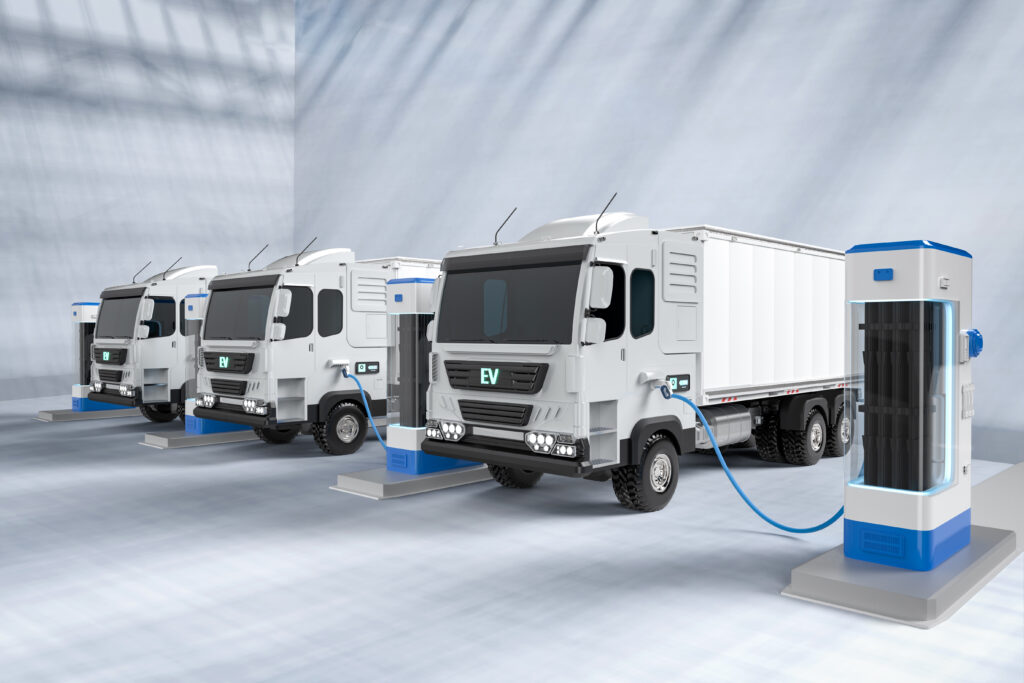
Real-world data from ABS Group demonstrates the substantial fuel cost advantages of electric commercial vehicles in Singapore:
| Fuel Cost Comparison | ABS EV Van | Diesel | Petrol |
| Cost Per 100km | $3.84 | $20.60 | $25.40 |
| Savings Per 100km | $11 | $16.76 | $21.56 |
Beyond fuel savings, electric vehicles also offer significantly lower maintenance costs due to fewer moving parts, no oil changes, and less wear on braking systems thanks to regenerative braking.
Avoiding Expensive Repairs
Proactive maintenance prevents costly, unexpected repairs that can sideline vehicles and disrupt operations. Battery replacement, motor damage, and electrical system failures become much less likely with proper preventive care.
Early problem detection through regular monitoring saves money and reduces downtime.
Optimising Resale Value
Well-maintained electric vehicles retain higher resale values, especially when battery condition documentation is available. The demand for used EVs is increasing as more consumers seek affordable ways to go electric, with some EVs, particularly those from reputable brands with long ranges, holding their value well.
Partnering with ABS Group for Fleet Care
ABS Group brings decades of automotive expertise to electric vehicle maintenance. As authorised distributors for Golden Dragon buses, we offer comprehensive services including insurance, financing, and specialised EV maintenance through our in-house workshop, JJE Auto Care.
With over 12,000 vehicles sold and technicians trained on the latest diagnostic equipment, we provide tailored maintenance packages for commercial electric fleets.
Our maintenance solutions are designed to offer peace of mind and maximize your fleet uptime. Through our ABS Membership, you gain access to a suite of comprehensive benefits, including:
- Lifetime Priority Servicing: Enjoy fast-track access to regular servicing and mechanical repairs for the entire lifespan of your vehicle, minimizing downtime and ensuring your operations run smoothly year after year.
- Diagnostic Assessments: Complimentary computerized diagnostics and expert advice ensure early detection of potential issues and maintain optimal performance.
- One-Stop Solution: From preventive maintenance to major repairs, our skilled technicians handle it all, supporting your fleet at every stage of its lifecycle.
Our commitment extends beyond sales to a long-term partnership in your fleet’s efficiency and reliability. With ABS maintenance packages, you benefit from transparent costs, dedicated support, and a team invested in your continued success.
FAQs
How often should I service my EV fleet?
Most electric commercial vehicles need service annually or every 10,000 miles, significantly less than traditional vehicles requiring service every 3,000-7,500 miles.
Can my regular mechanic handle EVs?
Electric vehicles require specialised training and diagnostic equipment. While some maintenance overlaps with traditional vehicles, EV-specific components need qualified technicians with proper certification.
How can I ensure my EV batteries last longer?
Avoid frequent fast charging, maintain charge levels between 20-80%, monitor thermal management systems, and schedule regular battery health assessments with qualified technicians.
What are the best charging practices for my electric fleet?
Implement scheduled charging during off-peak hours, avoid complete battery discharge, balance fast and slow charging based on operational needs, and maintain backup charging relationships for continuity.
Conclusion
Electric commercial vehicle maintenance represents both an opportunity and a responsibility for businesses. While maintenance requirements differ significantly from traditional vehicles, the potential for cost savings and operational efficiency makes the transition worthwhile. Success depends on understanding these differences, implementing proper maintenance practices, and partnering with knowledgeable service providers like ABS Group.
Partner with Singapore’s EV Experts
As the leading automotive solutions provider since 2007, ABS Group offers everything you need for your electric fleet transition. From vehicle sales and financing to comprehensive maintenance through our in-house workshop JJE Auto Care, we provide seamless, worry-free EV ownership experiences.
Contact us at +65 6933 9414 for expert EV advice or visit our website for comprehensive fleet solutions and financing options.